Is the Nintendo Switch Still Worth Buying in 2025? A Clear Guide to Its Current Value and Game Library
The Nintendo Switch remains a strong choice for gamers in 2025, despite the release of the Switch 2 earlier this year. It still offers great value thanks to its diverse game library and unique hybrid design, which blends portable and home console play. Many players appreciate the wide range of exclusive titles and indie games that continue to draw interest.
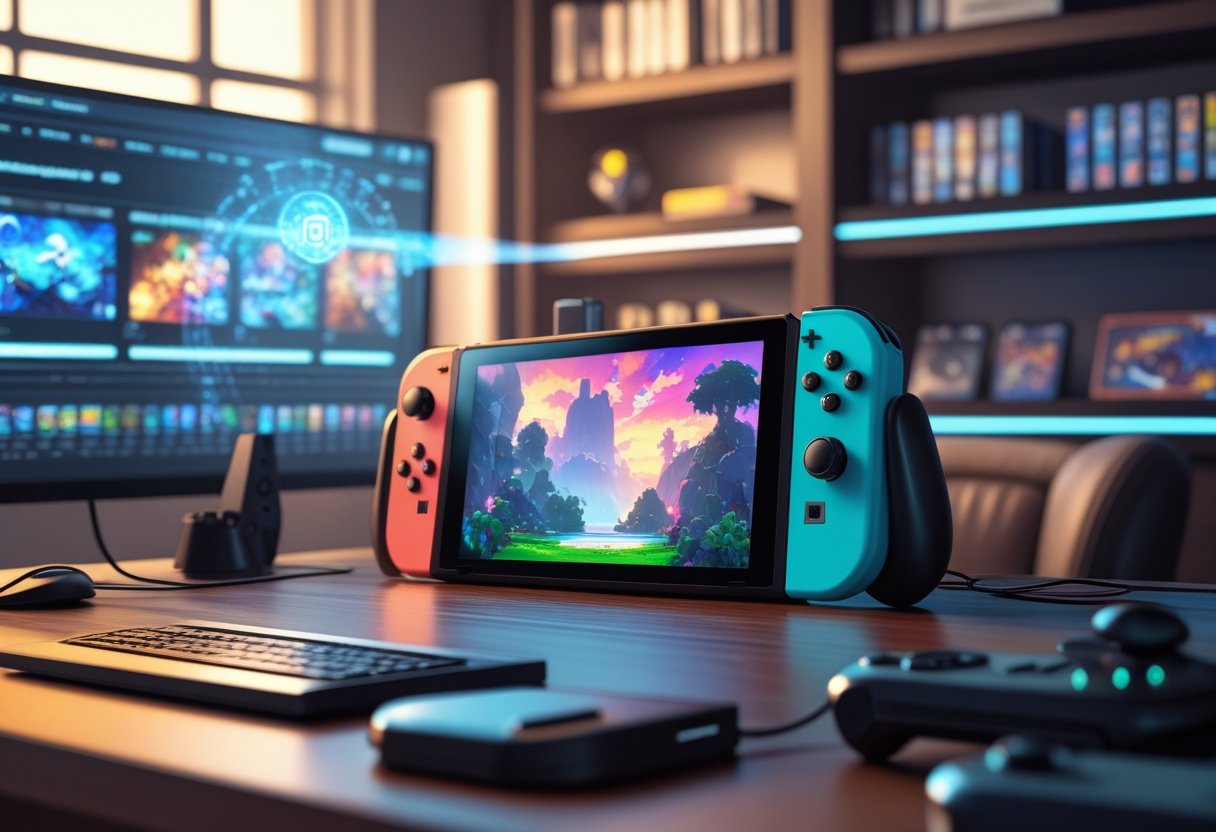
While the newer model promises improved performance and features, the original Switch and its OLED variant are still perfectly capable and enjoyable systems. For those not needing the latest hardware or who want to save money, the Switch remains a practical option. Its ease of use and extensive multiplayer options make it appealing for casual and dedicated gamers alike.
Key Takeways
- The Nintendo Switch provides solid value with a [vast game selection](https://respawnready.blogspot.com/2025/12/Best Nintendo Switch Games to Master in 2025.html) in 2025.
- The hybrid design offers flexibility between portable and home gaming.
- The original Switch remains relevant even after the launch of the Switch 2.
Is the Nintendo Switch Still Worth Buying in 2025?
The Nintendo Switch remains a popular choice due to its unique hybrid design and large game library. However, a buyer in 2025 must weigh the benefits of the [current model](https://respawnready.blogspot.com/2025/12/Best Nintendo Switch Deals for December 2025 Top Discounts and Offers.html) against the advantages of the newer Nintendo Switch 2.
Key Considerations in 2025
The original Nintendo Switch offers portability and the ability to play both on a TV and handheld. Its extensive game library includes major exclusives and indie titles, making it a flexible console for many players. Battery life and screen quality on the Switch OLED model are better than the standard Switch, but the base Switch still handles the core experience well.
Price is a major factor. The Switch is often cheaper than the upcoming Switch 2, which is expected to launch at a higher cost. For gamers on a budget or those who don’t need the latest tech, the existing Switch is still a practical option.
How the Switch Compares to the Switch 2
The Nintendo Switch 2, released in mid-2025, features improved hardware, faster load times, and likely better graphics. It builds on the hybrid design but offers a stronger performance for new games. Backward compatibility with Switch titles is expected, which keeps the transition easy.
However, early adopters of the Switch 2 may pay a premium. The original Switch continues to receive game support and has a mature library. The decision depends on whether advanced features and future-proofing are more important than price and immediate availability.
Models and Hardware Options
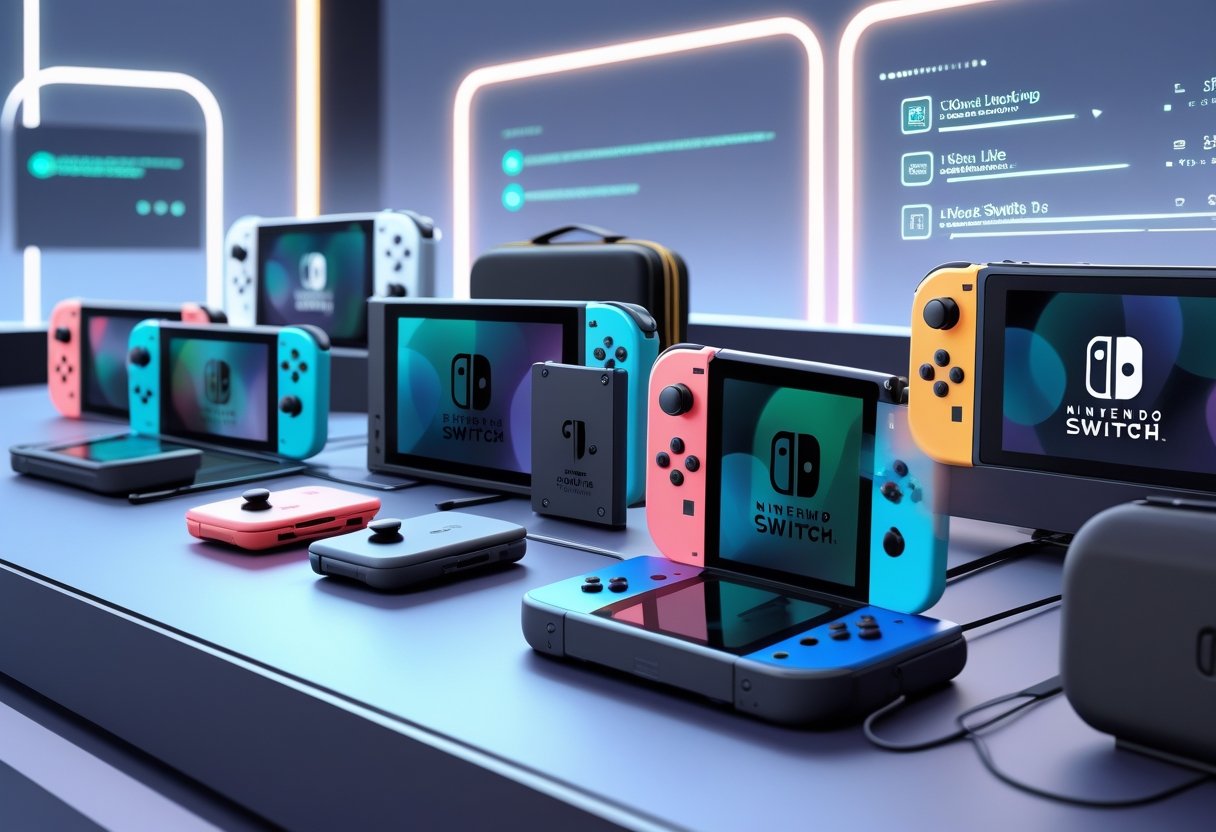
The Nintendo Switch family offers different models to suit various gaming styles. Factors like screen quality, portability, and control options change depending on the model. Understanding these differences helps buyers choose the right console for their needs.
Nintendo Switch OLED vs Standard vs Lite
The Nintendo Switch OLED stands out with its 7-inch OLED screen, which provides brighter colours and better contrast compared to the Standard Switch's 6.2-inch LCD. This model also includes improved speakers and a wider adjustable stand, enhancing handheld and tabletop play.
The Standard Switch, often called the Switch V2, shares the same core features but uses the older LCD screen. Its battery life is decent but shorter than the OLED’s.
The Switch Lite is fully handheld with a smaller 5.5-inch screen and lacks detachable Joy-Con controllers. It cannot connect to a TV using docked mode, making it more portable but less flexible for group or TV gaming.
All models support the Nintendo Switch game library, but only the Standard and OLED can switch between handheld and docked modes.
Build Quality and Design Updates
The Switch OLED made key design improvements without changing the core console size. It has a sturdier kickstand that extends across almost the entire back, unlike the narrow stand on earlier models. This makes the OLED version more stable on surfaces during tabletop play.
Joy-Con controllers remain the same across all models, keeping compatibility with accessories like the Pro Controller and allowing for multiplayer gaming right out of the box.
The Lite features a lighter, more compact build with integrated controls, which means no Joy-Con drift issues but limits motion controls and multiplayer options without extra accessories.
Performance Limitations
All three Switch models use the same custom Nvidia Tegra processor, meaning there are no major differences in game performance or load times between them.
While capable of running a wide range of Nintendo titles smoothly, the hardware is dated compared to newer consoles like the Switch 2. This can result in lower frame rates or longer load times on more demanding games.
Battery life varies slightly: roughly 4.5 to 9 hours on the Standard and OLED, depending on the game, and around 3 to 7 hours on the Lite due to its smaller battery.
In docked mode, the Standard and OLED maintain stable performance, but graphical options are limited by hardware age. The Lite cannot use docked mode at all.
Exclusive Games and Game Library
The Nintendo Switch offers a strong selection of exclusive games, recent releases, and solid support from third-party and indie developers. This blend keeps the console relevant and enjoyable even as new hardware approaches.
First-Party Nintendo Titles
Nintendo’s own games remain the biggest draw for the Switch. Classics like The Legend of Zelda: Tears of the Kingdom continue to receive praise for their depth and innovation. Fans also enjoy the latest Super Mario titles, which deliver creative level design and polished gameplay.
Other key franchises like Mario Kart World, Animal Crossing: New Horizons, and Pokémon Scarlet & Violet offer hours of entertainment and frequent updates. Popular remasters such as Donkey Kong Country Returns HD provide nostalgia with modern improvements. Upcoming titles like Metroid Prime 4 have high anticipation, ensuring Nintendo’s lineup stays strong.
Smash Bros remains a cornerstone for competitive and casual players alike, with its expansive roster drawing from many game series.
Upcoming and Recent Releases
2025 has seen a steady flow of new and remastered games for the Switch. Titles like Super Mario Bros. Wonder have been well received for innovating on familiar gameplay. The arrival of The Legend of Zelda: Tears of the Kingdom solidified the year as strong for exclusives.
While many players await the Switch 2, the original console continues to get new releases and updates. This includes indie titles and third-party collaborations that expand the variety available. Nintendo has kept its commitment to regularly releasing fresh content, keeping the library lively.
The ongoing support for remastered games and sequels ensures players can enjoy both new experiences and refined classics on the same system.
Third-Party and Indie Support
The Switch’s success partly comes from its broad third-party and indie game offerings. Popular titles like Hollow Knight, Celeste, and Stardew Valley have found large audiences on the platform. These games provide different styles of play, from challenging platformers to relaxing farming simulations.
Support from third-party developers also includes action, RPG, and multiplayer games that complement Nintendo’s exclusives. The portability and hybrid design of the Switch attract indie studios eager to reach handheld and home console players alike.
This varied selection helps maintain a diverse library, giving players many options beyond Nintendo’s first-party franchises.
Feature Set and Usability
The Nintendo Switch offers flexibility through its key features, allowing multiple ways to play. Its design supports both stationary and portable gaming, paired with a [variety of controllers](https://respawnready.blogspot.com/2025/12/Best Nintendo Accessories Under 30 Pounds for Budget Gaming Essentials 2025.html) that suit different play styles and game types.
Hybrid Play: Docked and Handheld Experience
The Switch stands out for its ability to switch between docked mode and handheld mode seamlessly. In docked mode, the console connects to a TV, delivering games on a larger screen with stable performance. This setup is ideal for at-home gaming sessions and supports up to 1080p resolution.
Handheld mode uses the built-in screen, which measures 6.2 inches on the original model, slightly larger with the OLED version. This mode is convenient for gaming on the go without sacrificing much graphical quality. Battery life varies by model, generally ranging from 4.5 to 9 hours, depending on the game and screen brightness. The portability combined with responsive touch controls makes handheld mode popular for travel or casual play.
Switching between modes does not interrupt gameplay, offering users the choice to adapt their gaming to any situation.
Controllers and Accessory Landscape
The Joy-Con controllers are the Switch’s signature input method. They attach to the sides of the console in handheld mode and can detach for wireless play. Each Joy-Con includes motion sensors and HD rumble, enhancing immersive gameplay. However, some users report occasional issues with Joy-Con drift.
For more traditional play, the Pro Controller is available. It offers a standard gamepad feel with a sturdy build, better battery life, and larger buttons. Many players prefer it for longer sessions and competitive games.
A wide range of accessories is compatible, including charging docks, carrying cases, and specialised grips. The versatility of Joy-Cons combined with optional accessories allows players to customise their experience to fit their preferences.
Online Capabilities and Multiplayer
The Nintendo Switch offers a solid set of online features and multiplayer options that enhance the gaming experience. Its online service continues to evolve, supporting both classic and modern titles. Multiplayer options include local play as well as competitive and cooperative modes online.
Nintendo Switch Online and Expansion Pack
Nintendo Switch Online (NSO) remains essential for online play. It includes access to classic NES and Super Nintendo games, plus Nintendo 64 and Gameboy games with the Expansion Pack. This pack adds a wider range of retro titles and some DLCs, increasing the value for fans of older games.
The service also provides cloud save backups, voice chat through the smartphone app, and exclusive offers. It is required to play popular multiplayer games like Mario Kart, Splatoon 3, and Super Smash Bros. online. The price is reasonable given the content, especially for players who enjoy retro Nintendo libraries along with new releases.
Local and Online Multiplayer Experience
The Nintendo Switch shines with its flexible multiplayer options. Locally, up to four Joy-Cons can be used for multiplayer on one console, making it ideal for parties or family gaming. Wireless local play also allows multiple consoles to connect nearby without internet.
Online, Switch's multiplayer is stable and accessible, especially for popular games like Mario Kart and Smash Bros. Matchmaking is generally quick, and online tournaments, leaderboards, and friend invites enhance competition. While not as advanced as some other systems, it provides a quality experience suited to Nintendo's audience.
Switch 2 and Alternative Platforms
The Nintendo Switch 2 offers several improvements over the original Switch, but its place in the market also depends on how it compares to other gaming systems. Factors like backwards compatibility, performance against rivals, and the ease of upgrading affect its appeal.
Switch 2 Backwards Compatibility and Transition
The Nintendo Switch 2 supports backwards compatibility with most games from the original Switch. This allows players to keep their existing game libraries without repurchasing titles. Save data transfer between the two consoles is possible but may require some manual steps or cloud syncing through Nintendo Switch Online.
The transition to Switch 2 is smooth for users invested in Nintendo’s ecosystem. Many first-party games and popular third-party titles are optimised for the new hardware. However, some features, like exclusive Switch 2 games and improved performance, provide a clear reason to upgrade. This compatibility helps reduce barriers for Switch owners considering the new model.
Comparisons with PlayStation 5, Xbox Series X, and Steam Deck
The Switch 2 runs on custom hardware focused on portability and casual gaming. It cannot match the raw power of the PlayStation 5 or Xbox Series X, which target high-end gaming with 4K resolution and faster processing. Those consoles are better suited for players seeking visually intense or graphically demanding games.
The Steam Deck offers a closer comparison as a handheld PC gaming device with access to a large game library. Steam Deck provides more flexibility in game choices and modding but is heavier and less user-friendly for casual gamers than the Switch 2.
| Platform | Strengths | Weaknesses |
|---|---|---|
| Nintendo Switch 2 | Portability, exclusive titles | Less powerful hardware |
| PlayStation 5 | High performance, 4K gaming | Bulky, less portable |
| Xbox Series X | Strong performance, Game Pass | Bulkier, no handheld mode |
| Steam Deck | PC gaming library, flexibility | Less plug-and-play, heavier |
Resale Value and Upgrade Path
The original Nintendo Switch still holds good resale value in 2025, especially models in good condition. The demand remains because it is affordable, portable, and has a wide range of popular games. Reselling the old Switch can subsidise the cost of upgrading.
Nintendo has not released frequent hardware revisions since the Switch launch, making the upgrade path to Switch 2 clearer and more significant. Players weighing the upgrade should consider if new features like improved display, faster CPU, and expanded game options justify the investment.
Overall, the Switch 2 offers a straightforward upgrade path, preserving value for original Switch owners while pushing forward with better tech.
Value for Money and Final Recommendation
The Nintendo Switch lineup in 2025 offers options that fit different budgets and gaming styles. Price points have shifted since the launch of the Switch 2, impacting the appeal of older models. Knowing who benefits most from each version helps guide the purchase decision.
Pricing and Discounts in 2025
The original Nintendo Switch and the Switch Lite have become noticeably cheaper since the announcement of the Switch 2. The Switch Lite remains the most affordable, designed for handheld use only, making it a budget-friendly option for casual gamers. The standard Switch often sees discounts, especially during sales, but the OLED model holds a slightly higher price due to its improved screen and better build quality.
| Model | Approximate Price (GBP) | Key Pricing Notes |
|---|---|---|
| Nintendo Switch | £200 - £250 | Discounts common, good mid-range option |
| Nintendo Switch Lite | £150 - £170 | Cheapest option, handheld only |
| Nintendo Switch OLED | £280 - £320 | Premium price, best screen and audio |
As a result, the Switch lineup offers value based on use case and budget, though newer buyers must weigh these savings against features they might miss out on compared to the Switch 2.
Suitability for Different Types of Gamers
Hardcore and casual gamers will view the Switch models differently. The OLED and standard Switch suits those who want flexibility with handheld and docked play. These models give access to Nintendo’s exclusive games and a broad indie library. The larger, higher-quality screen on the OLED version appeals to players valuing better visuals.
The Switch Lite targets gamers who prefer a portable, budget console and don't mind missing TV connectivity. It’s ideal for children or those who mainly play on the go.
Gamers interested in the newest tech or smoother performance might lean towards waiting for the Switch 2. However, for those prioritising cost-effectiveness and a strong game library today, the existing Switch models remain practical and valuable.
Frequently Asked Questions
Many gamers want to know why the Nintendo Switch remains a good choice today. They often ask about its game library, hardware updates, and how it compares with newer consoles. Questions also focus on its exclusives and the quality of its online service.
What are the key reasons to consider purchasing a Nintendo Switch in 2025?
The Switch offers a unique hybrid design, allowing players to switch between handheld and TV modes. It has a large and diverse game library that appeals to different types of gamers. Its price point is generally lower than newer consoles, making it an accessible option.
Has the library of games for the Nintendo Switch expanded to justify its purchase years after release?
Yes, the Switch has seen a constant flow of new games, including popular indie titles and major Nintendo exclusives. Many classic games have also been remastered or re-released. This steady expansion supports its long-term appeal.
How does the Nintendo Switch compare to the latest gaming consoles on the market?
The Switch is less powerful than the newest consoles like the PlayStation 5 or Xbox Series X. Its graphics and processing speed are more modest. However, its portability and exclusive games can outweigh raw performance for many players.
Are there any exclusive titles for the Nintendo Switch that can't be played on other platforms?
Nintendo consoles have several exclusives, such as the latest Mario, Zelda, and Pokémon games, only available on the Switch. These titles are a major draw and are not accessible on PlayStation, Xbox, or PC.
What improvements have been made to the Nintendo Switch hardware since its initial release?
Since 2017, Nintendo has released versions with better battery life and an OLED screen model. These updates improve screen quality and playtime but keep the core hybrid concept. A new console, the Switch 2, is planned for release in 2025, with upgraded specs.
How does the online service for the Nintendo Switch stand up against competing platforms?
The Switch Online service provides access to classic games, online multiplayer, and free monthly titles. While it is less feature-rich than PlayStation Plus or Xbox Game Pass, it remains affordable and sufficient for many players.


.jpg)
0 Comments